


Esther Pizarro Juanas
Principal investigator
Visual artist, researcher and professor at Universidad Europea de Madrid
Universidad Europea de Madrid
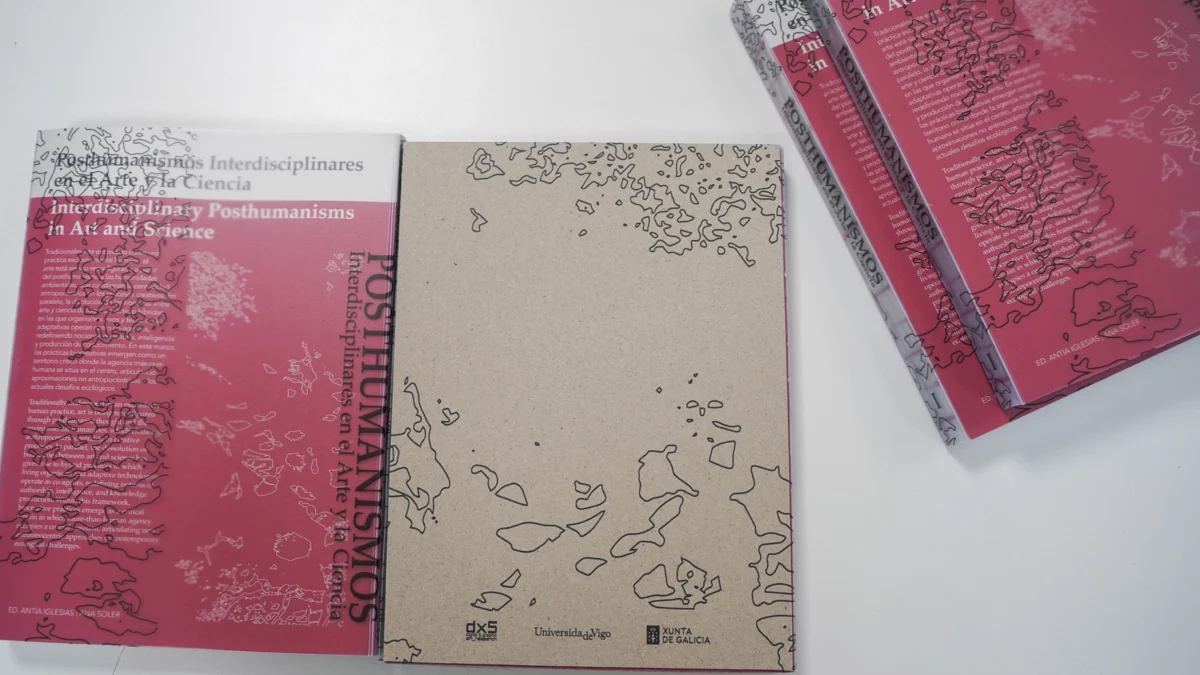
Book chapter
Published
Futuros Biobasados. Materialidades Emergentes y Territorios de Innovación en EcoMat
Pizarro, E.; Marcos, I.; Trigo, M. · 2026
Publications
Abstract
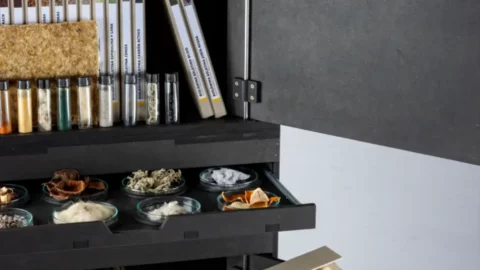
The EcoMat project, developed by the research group Ecosistemas Creativos y BioDiseño [EcoBDLab] at Universidad Europea de Madrid, was born as a response to the need to rethink the materials we use in the face of the current environmental crisis. Focused on emerging bio-based materials (MEB), it proposes renewable, biodegradable and, in many cases, compostable alternatives, capable of reducing environmental impact and opening up new aesthetic and cultural horizons. The research traces a genealogy of MEB, from their origins linked to medical biomaterials to their expansion into fields such as design, architecture and fashion. In this analysis, the Material Driven Design (MDD) and Material Tinkering (MT) methodologies are compared in order to propose, on their basis, the EcoMat methodology. It also explores the key properties of these materials — renewability, biodegradability, industrial compatibility and reduced environmental impact — highlighting their potential to generate sensory, cultural and affective experiences that go beyond the purely technical. The project also proposes a classification of MEB into six categories: Biosheets, Biofoams, Bioleathers, bio-yarns, bioresins and Biocomposites. This taxonomy is embodied in a modular, didactic materials library made up of a hundred physical samples, each carefully classified and documented, conceived as a resource for training, research and transdisciplinary experimentation. Taken together, EcoMat demonstrates that material innovation, when guided by principles of sustainability and creativity, can become a driver of cultural and environmental change towards more regenerative and fully bio-based futures.
Authors

Isabel Marcos
Principal investigator
Visual artist, researcher and educator
Universidad Europea de Madrid

Originating project
How to cite
Pizarro, E., Trigo, M., & Marcos, I. (2026). Futuros Biobasados. Materialidades Emergentes y Territorios de Innovación en EcoMat. En Iglesias, A. y Soler, A. (Eds.), Posthumanismos Interdisciplinares en el Arte y la Ciencia (pp. 102-123). Universidad de Vigo.