



Esther Pizarro Juanas
Principal investigator
Visual artist, researcher and professor at Universidad Europea de Madrid
Universidad Europea de Madrid
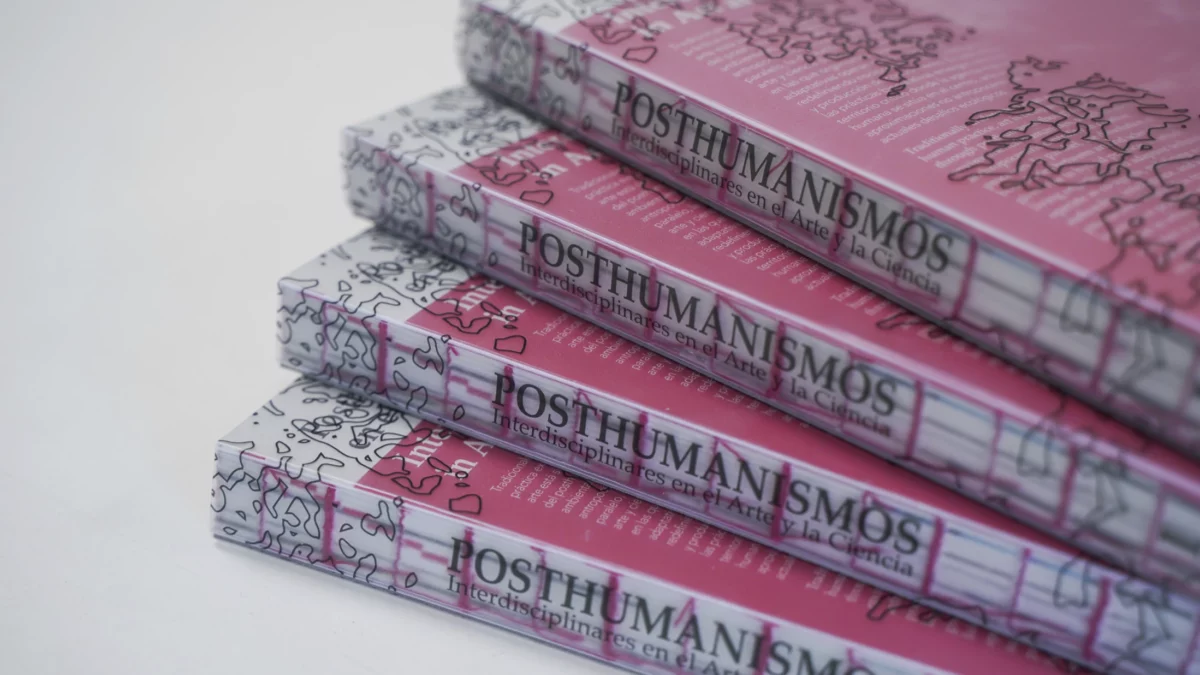
Book chapter
Published
Ecosofía, Bioarte y Biomaterialidad. Un Enfoque Interespecies para la Regeneración Ecológica
Pizarro, E. · 2026
Publications
Abstract
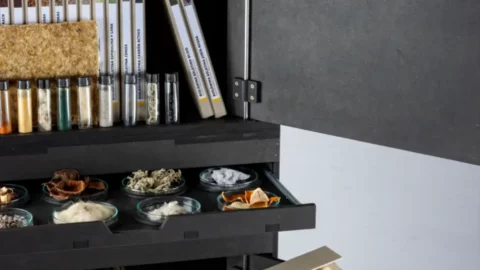
In the context of the global ecological crisis, this article examines the artistic-research project Ecologías Fragmentadas :: Contaminación Hídrica (42°30´52´´N; 0°21´6´´W), which addresses the impact of the lindane spill in the Gállego river, integrating ecosophy, biopoetics and biomateriality. Drawing on a theoretical framework that runs through the Gaia hypothesis, the ecosophy of Arne Næss and Félix Guattari, as well as the contemporary perspectives of Bruno Latour, Timothy Morton and Donna Haraway, the article puts forward a reading that destabilises anthropocentrism in order to promote forms of interspecies cohabitation. The proposal sets out a biopoetic narrative that connects four central elements — the contaminant molecule, the industrial agent, the ecosystemic receptor and the biological repair process — through installations that combine art, science and technology. Two main pieces are analysed in detail: BioAlgaeLab Interespecies, a monitored bioreactor for the live culture of microalgae for bioremediation and biomateriality; and BioLabMatrix, a space for material experimentation with spirulina biomass. This study shows that art can function simultaneously as an ecological laboratory, a regenerative agent and a catalyst for environmental awareness, inviting us to imagine post-anthropocentric futures in horizontal dialogue with other living beings. Artistic practice is thus consolidated as a bridge that unites knowledge, sensibilities and interspecies collaborations, at a time when caring for and repairing the planet are urgent and necessary.
Authors
Originating project
How to cite
Pizarro, E. (2026). Ecosofía, Bioarte y Biomaterialidad. Un Enfoque Interespecies para la Regeneración Ecológica. En Iglesias, A. y Soler, A. (Eds.), Posthumanismos Interdisciplinares en el Arte y la Ciencia (pp. 64-75). Servicio de Publicaciones Universidade de Vigo.