
Develop and scale up 100 samples of bio-based materials (DIY).

Research into sustainable biomaterials: building a catalogue, a materials library and dissemination tools for ecological design.
EcoMat is a research project devoted to exploring new sustainable materials capable of replacing the plastics and polluting compounds we use every day. It grew out of mounting concern about the environmental impact of our production and consumption models, at a moment when creativity, science and technology can work together to imagine alternatives that treat the planet more kindly.
Working across science, art and design, EcoMat sets out to foster a symbiotic relationship between materials, people and nature, using design and experimentation as tools for rethinking emerging materialities — not merely as substitutes for conventional materials, but as catalysts for a harmonious, sustainable coexistence.
Develop and scale up 100 samples of bio-based materials (DIY).
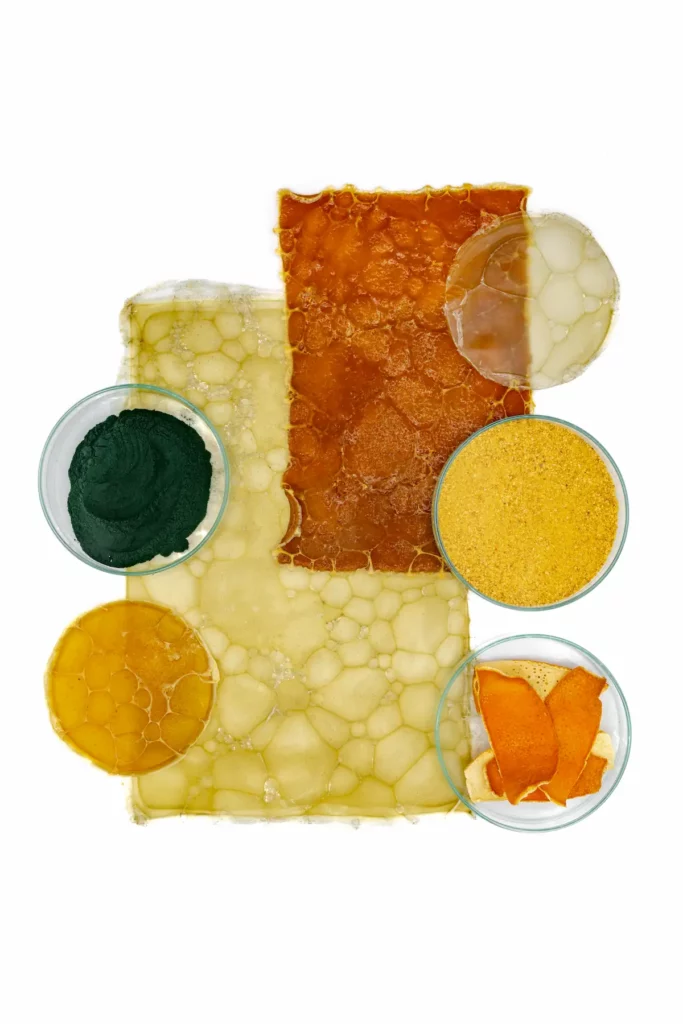
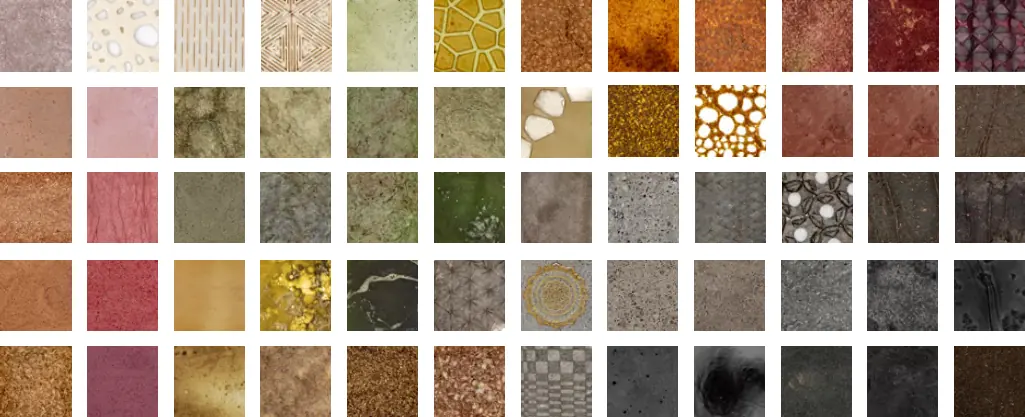
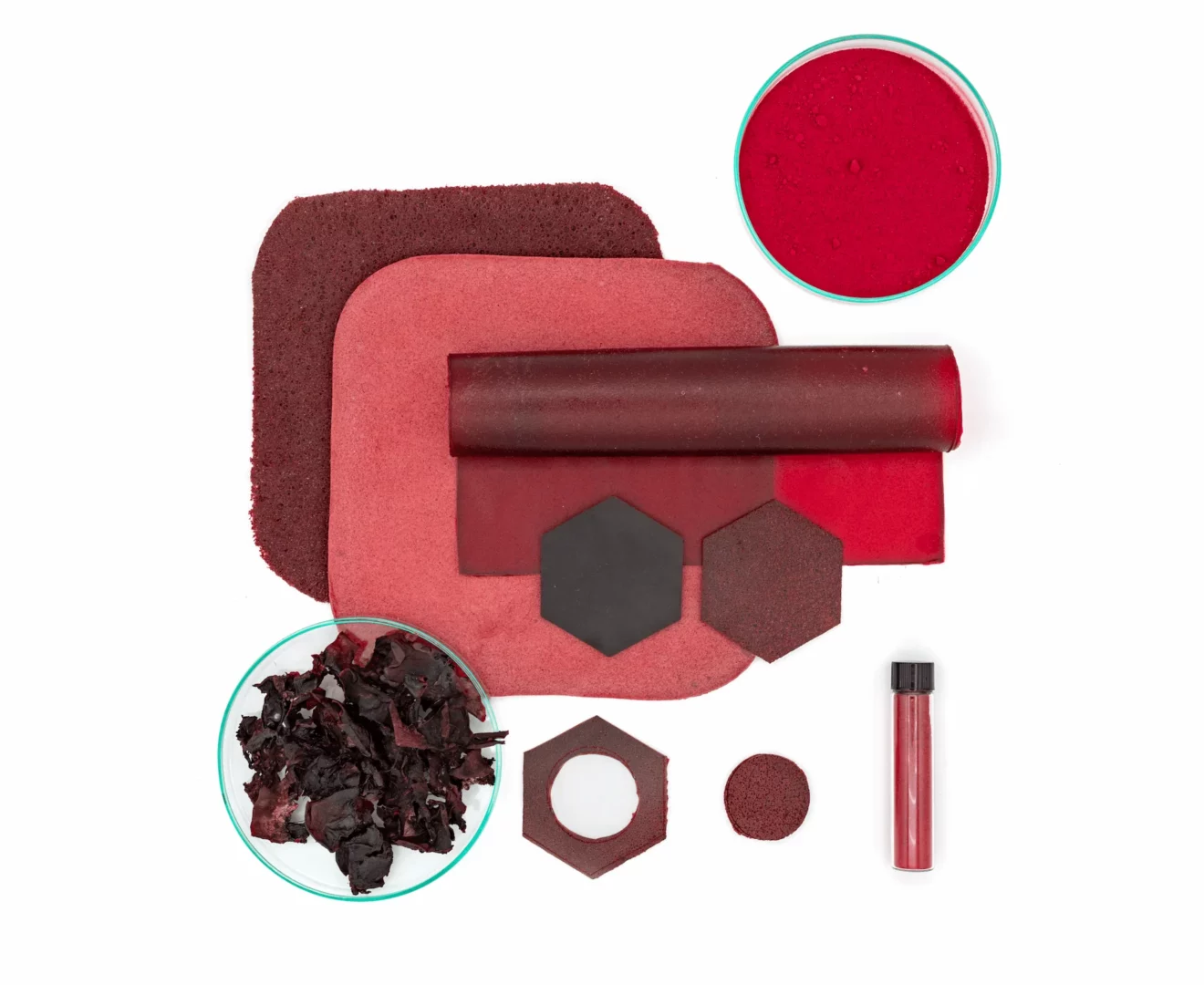
Create a colour and texture palette based on natural dyes and fillers.
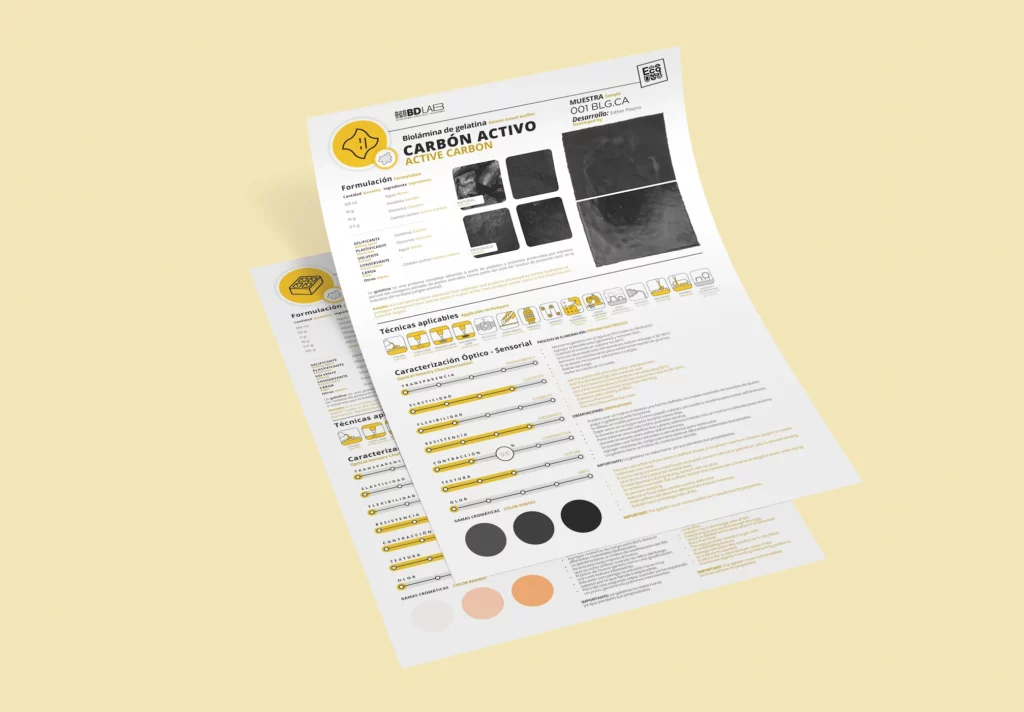
Develop a system for recording and displaying biomaterials.
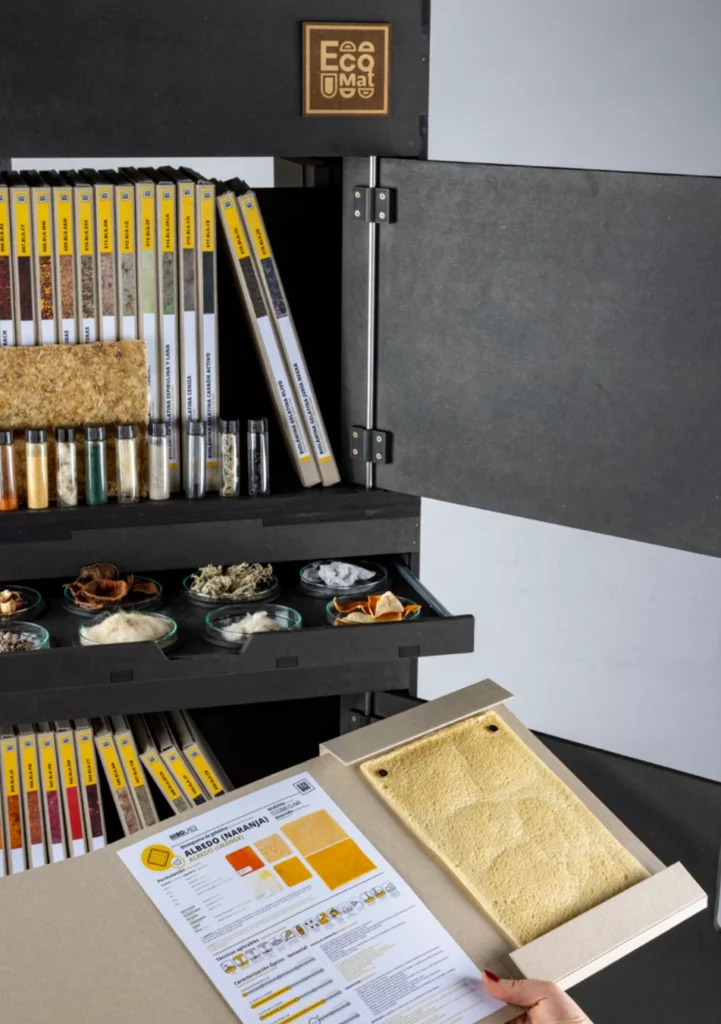
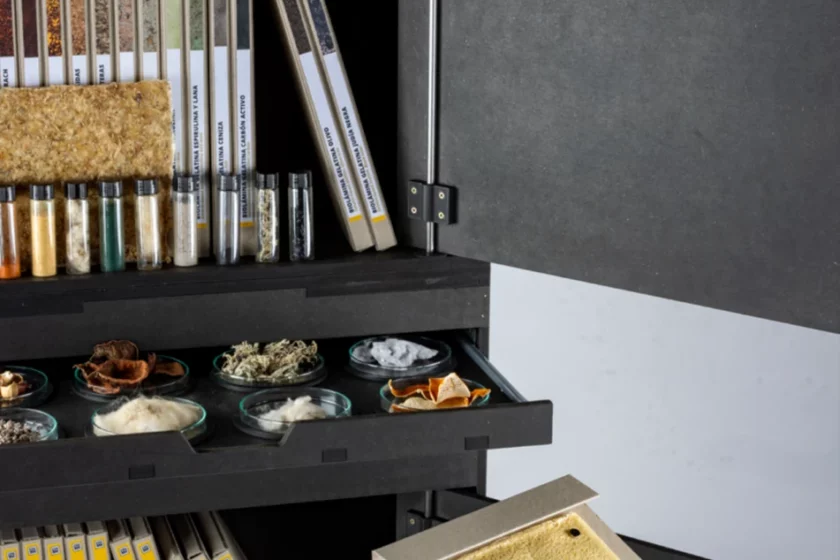
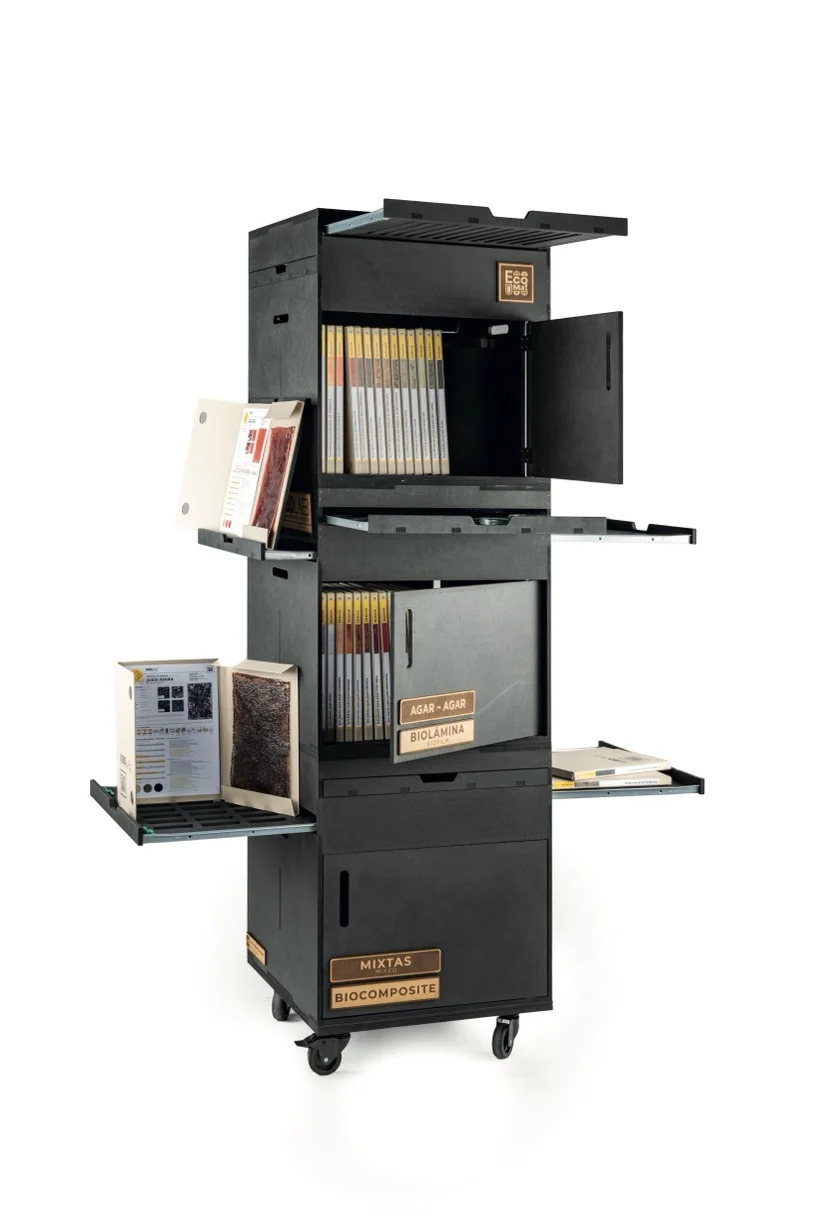
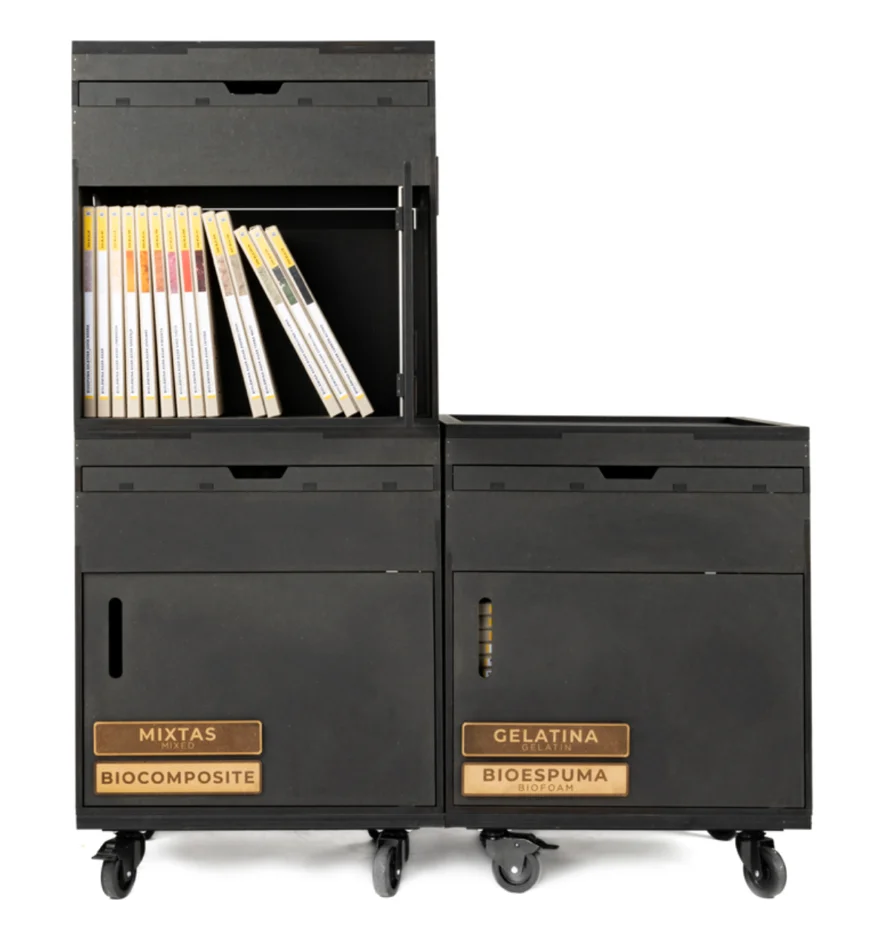
Design and build a modular display unit.
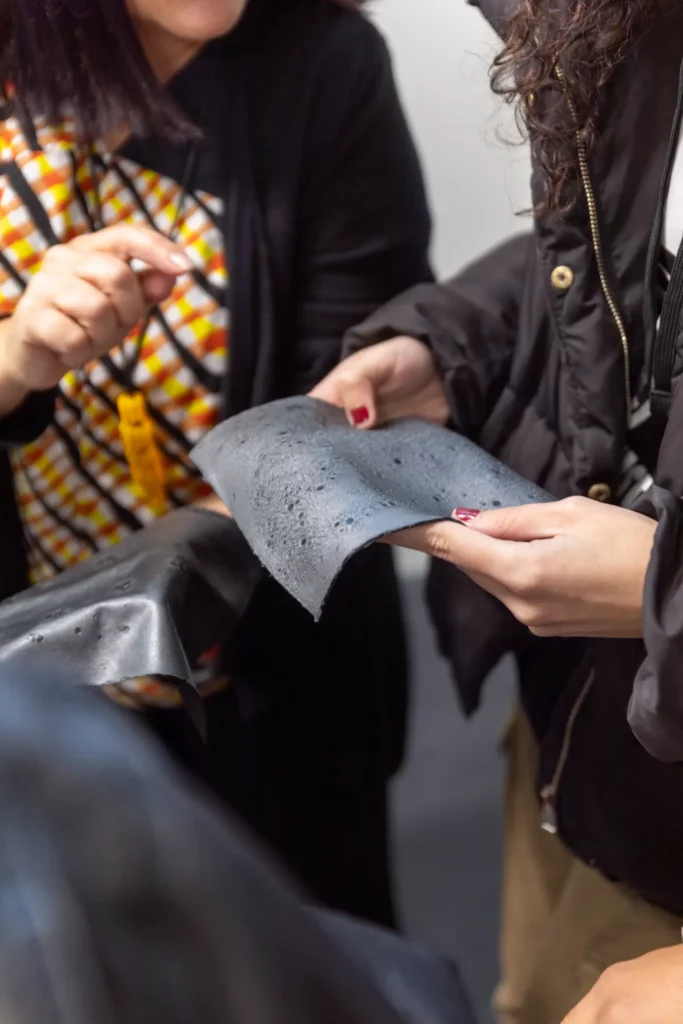
Integrate the use of biomaterials into undergraduate and postgraduate programmes.

Miguel Trigo Morán
ResearcherLecturer and design researcher
Universidad Europea de Madrid
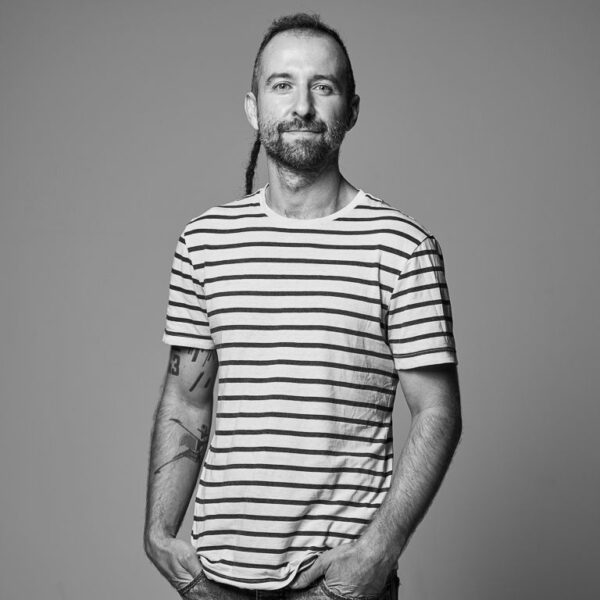
Miguel Ángel Rego Robles
External collaboratorArtist, lecturer and researcher specialising in the relationship between art and neuroscience
Universidad Rey Juan Carlos
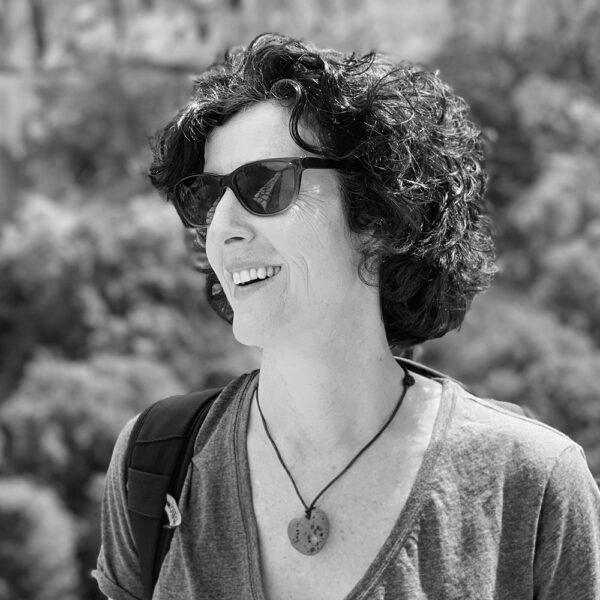
Sally Gutiérrez Dewar
External collaboratorResearcher, visual artist and lecturer
Universidad Europea de Madrid

Kenneth Gómez
ResearcherMultidisciplinary designer
Universidad Europea de Madrid
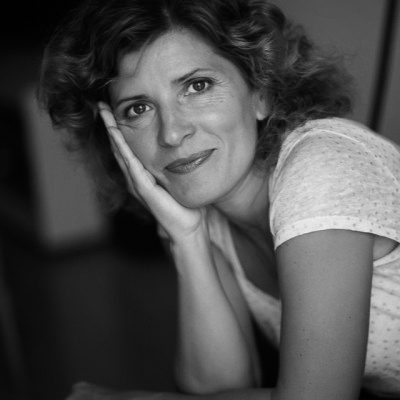
Ángela Monje
ResearcherPhD in Architecture
Universidad Europea de Madrid
Paloma Rodera
Researcher
Isabel Marcos
Principal investigatorVisual artist, researcher and educator
Universidad Europea de Madrid
Julia González Pérez
StudentStudent
Uxue Moyano Martí
StudentStudent
Playing with the material
Creative experimentation
Free exploration and handling of materials with no specific application in mind, which can lead to unexpected discoveries and innovative solutions.
Sensory learning
Builds sensitivity to the sensory and expressive qualities of materials, allowing a deeper understanding of their potential.
Continuous prototyping
Constant creation of samples and prototypes, supporting an iterative process of developing and refining ideas.
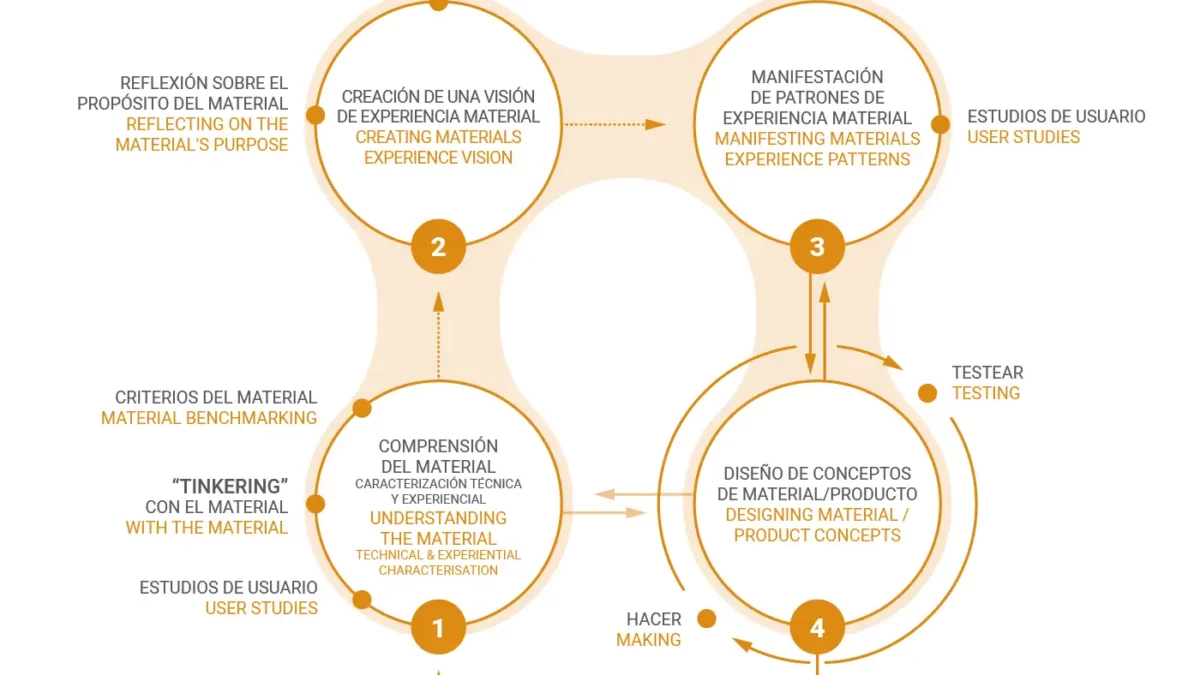
Material-driven design
Understanding the material
Analysis of both the technical characteristics and the experiences the material can evoke in users.
Creating a material experience vision
Defining the experience the material is intended to offer.
Manifesting material experience patterns
Translating the vision into specific attributes and qualities of the material.
Designing material and product concepts
Developing products or applications that embody the vision and the defined patterns.
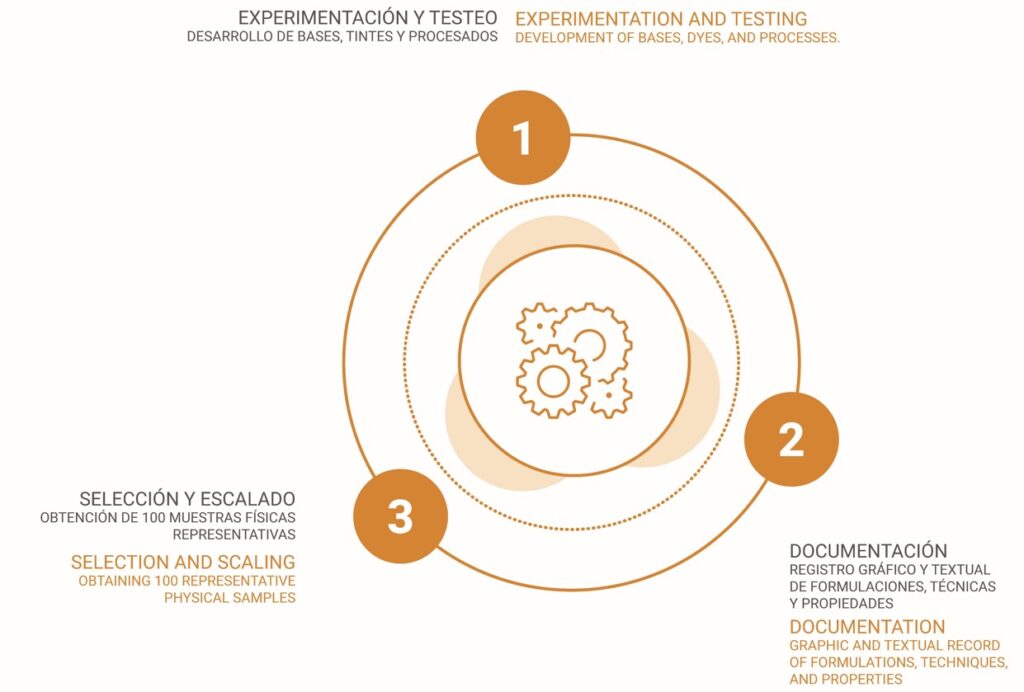
Experimentation and testing
Developing bases, dyes and treatments through free and systematic exploration of bio-based formulations.
Documentation
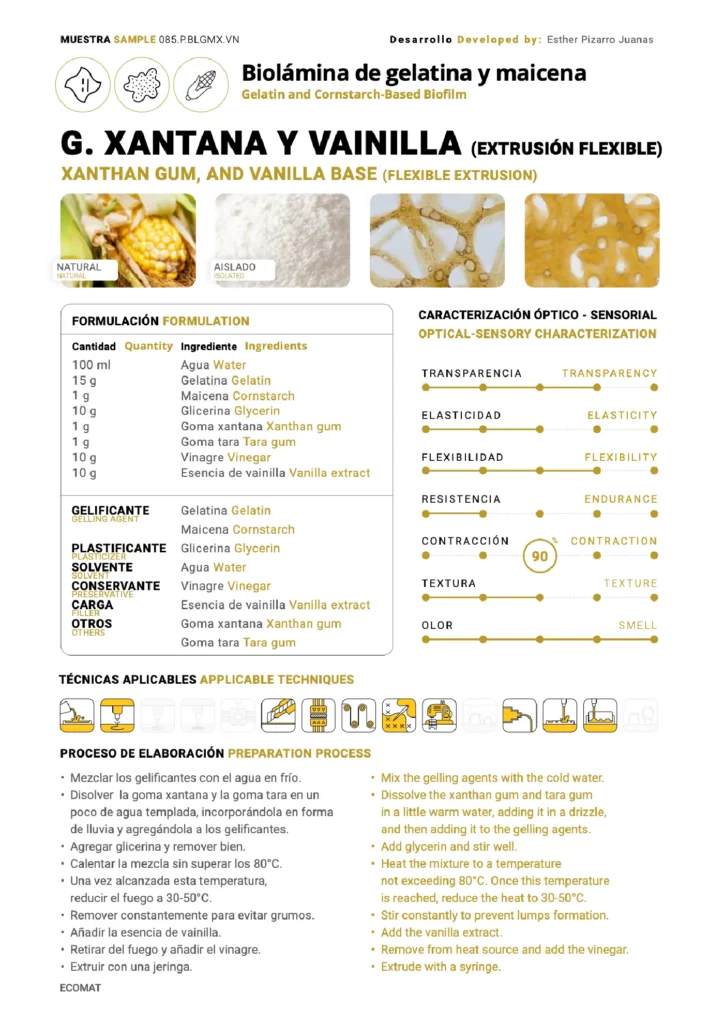
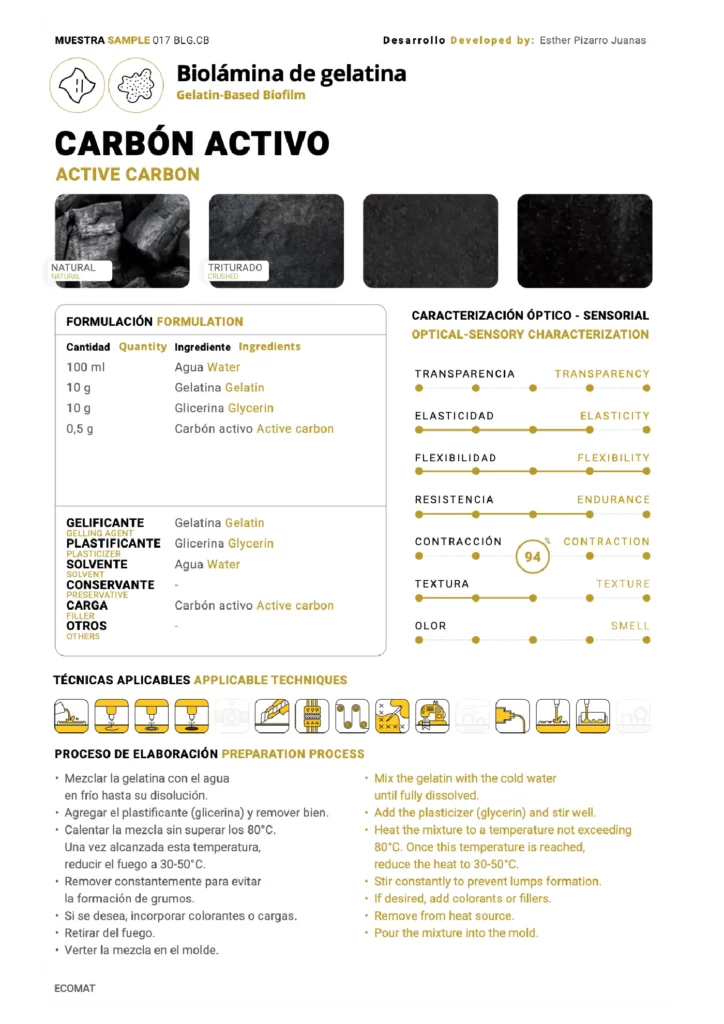
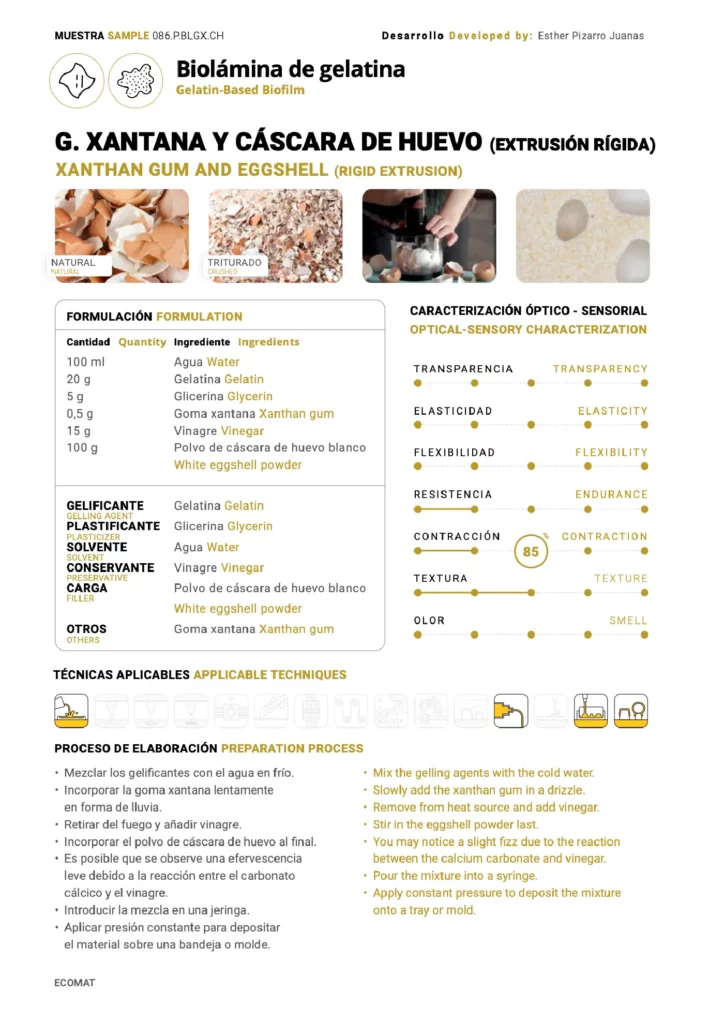
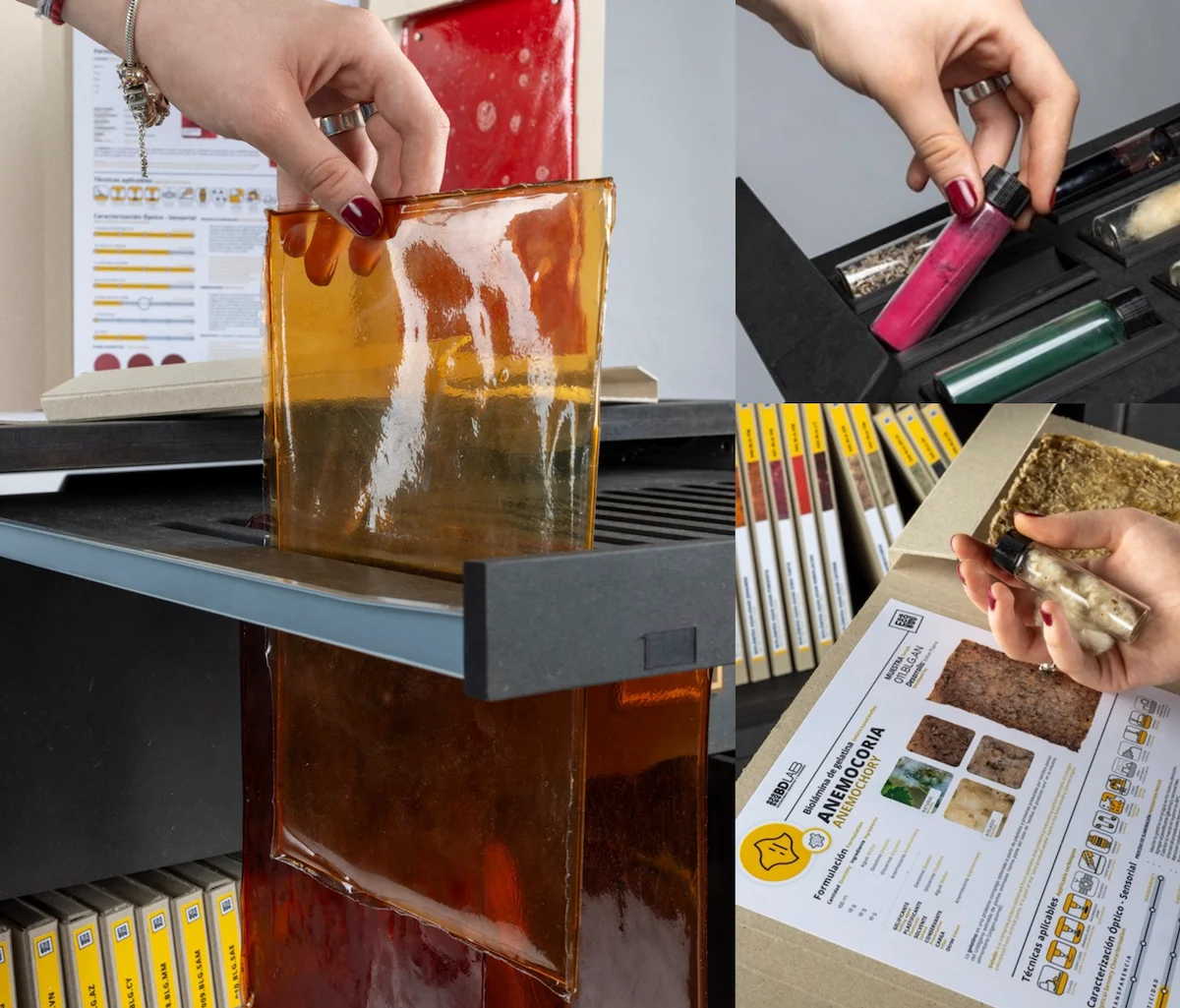
Visual and written records of formulations, techniques and properties on standardised bilingual data sheets with optical and sensory characterisation.
Selection and scaling
Producing 100 representative physical samples, selected for viability, formal interest and diversity of type.
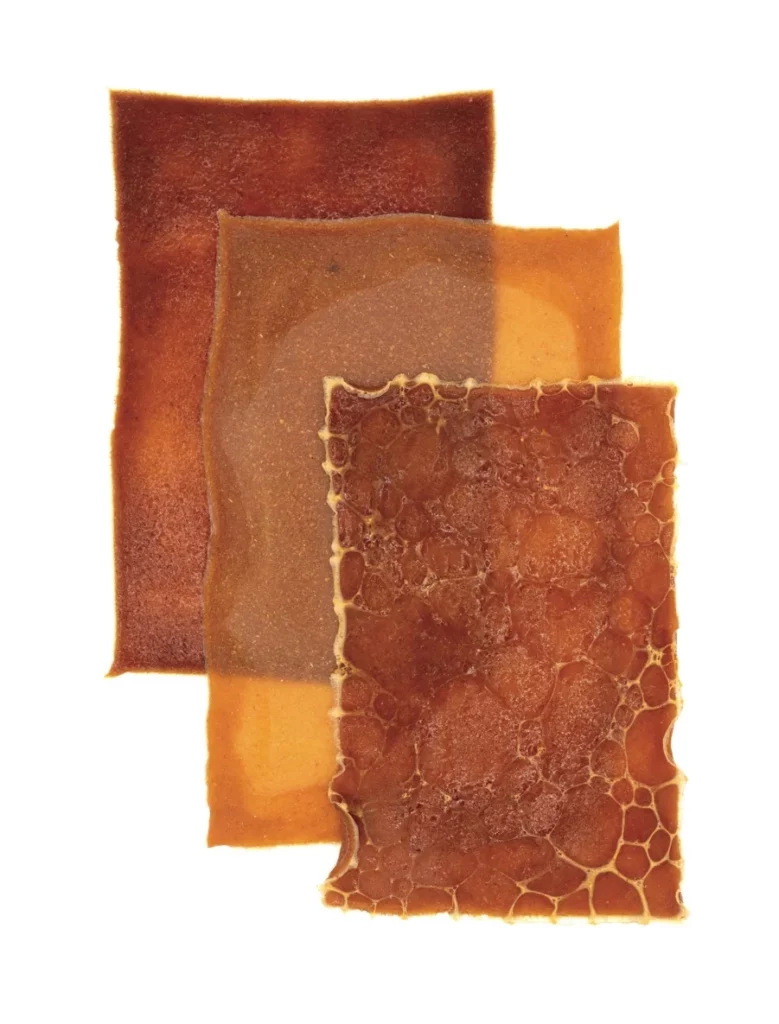
Every biomaterial is an open question to design, science and nature.
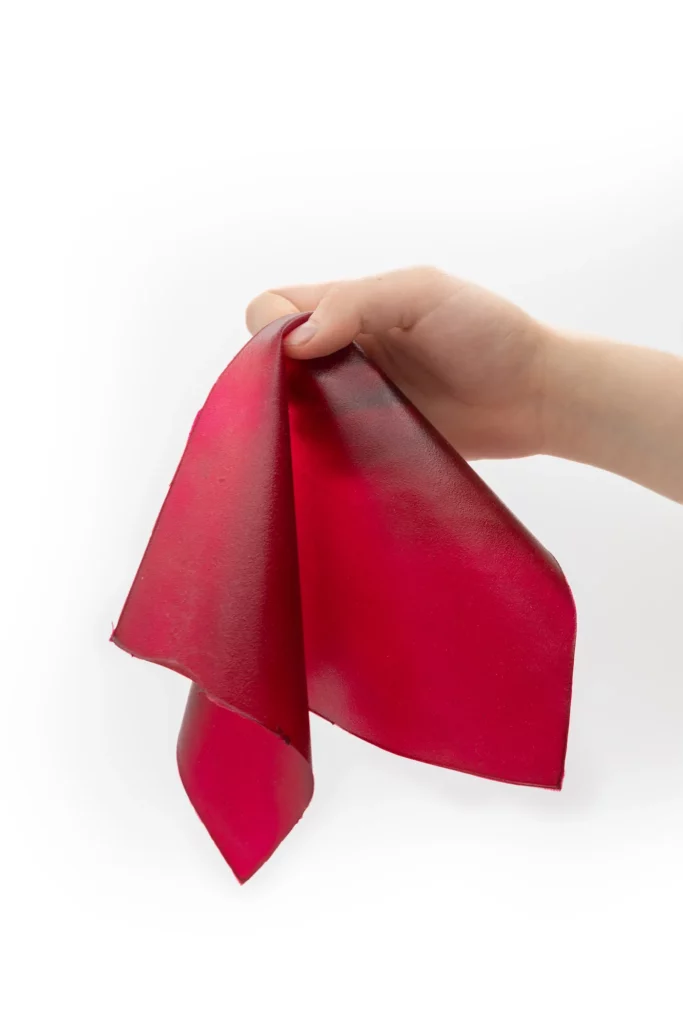
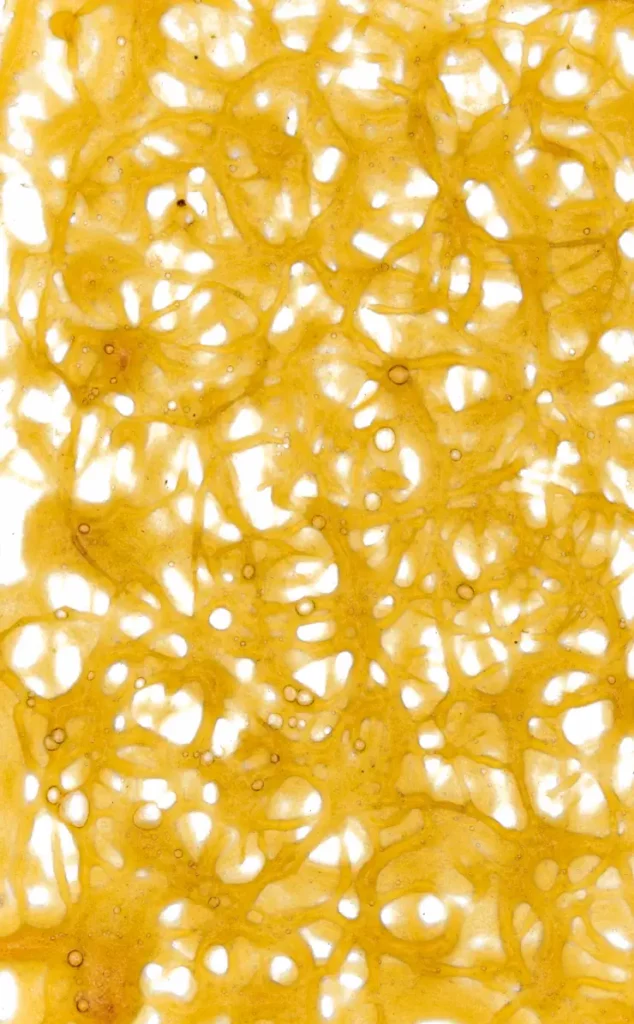
Thin, flexible, semi-transparent films made from natural biopolymers such as gelatine, agar-agar or starch.
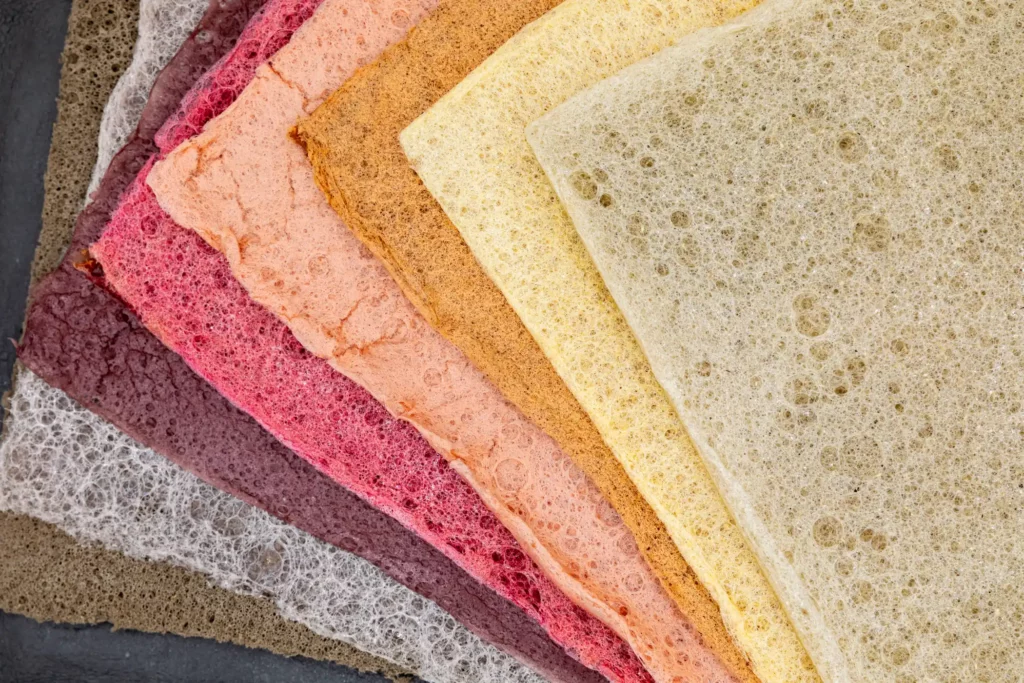
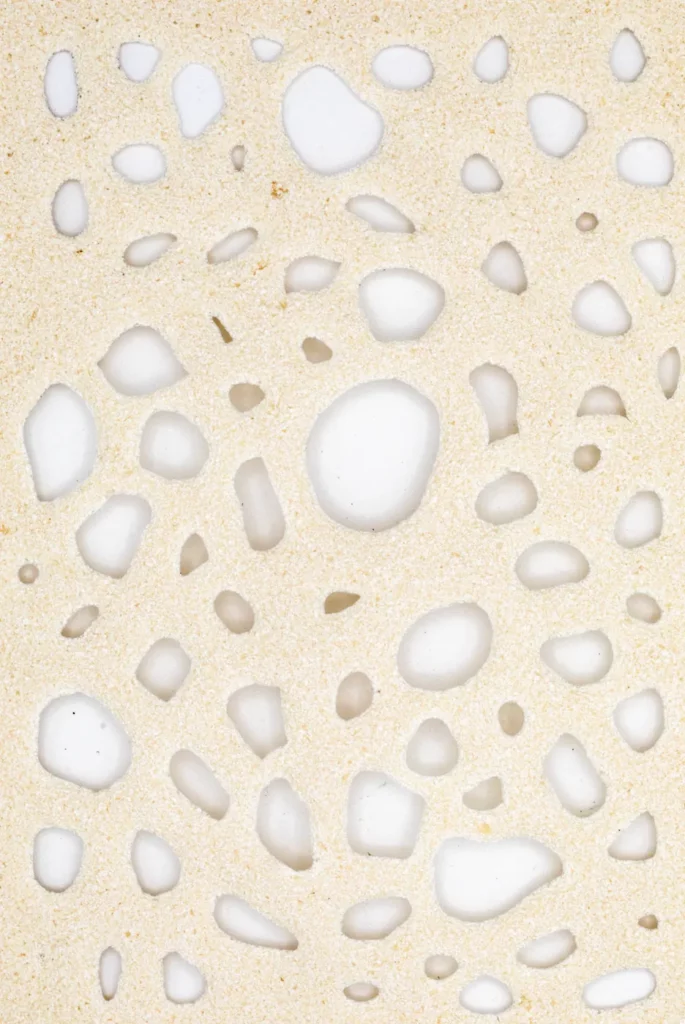
Very light, porous materials with insulating properties, made from natural biopolymers and biodegradable foaming agents.
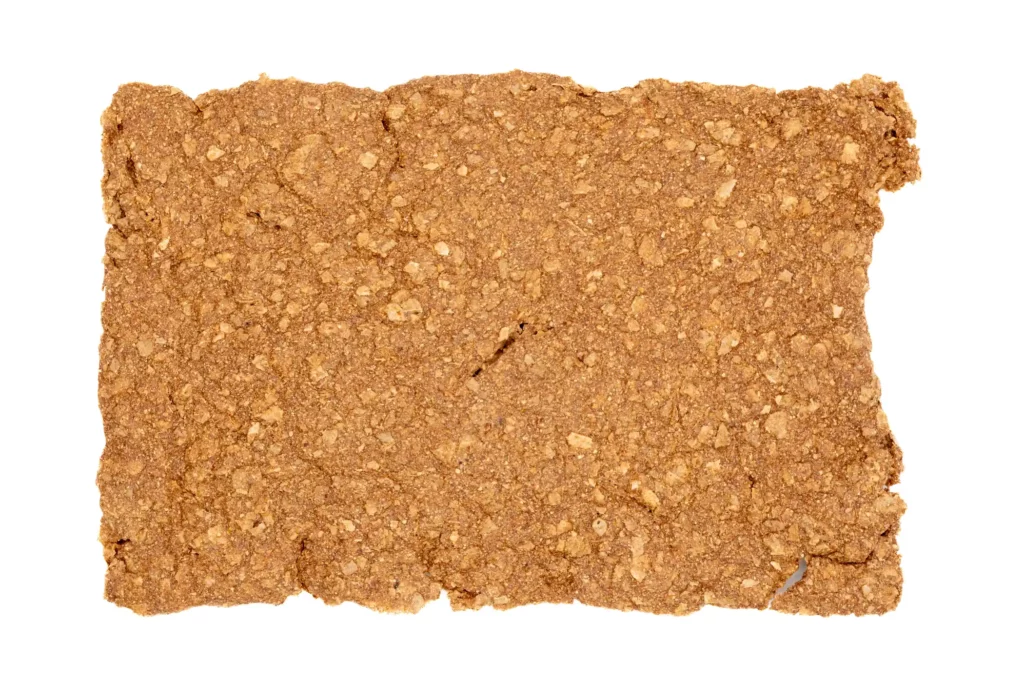
Hard, durable materials obtained from biologically sourced polymers, with potential for structural and decorative applications.
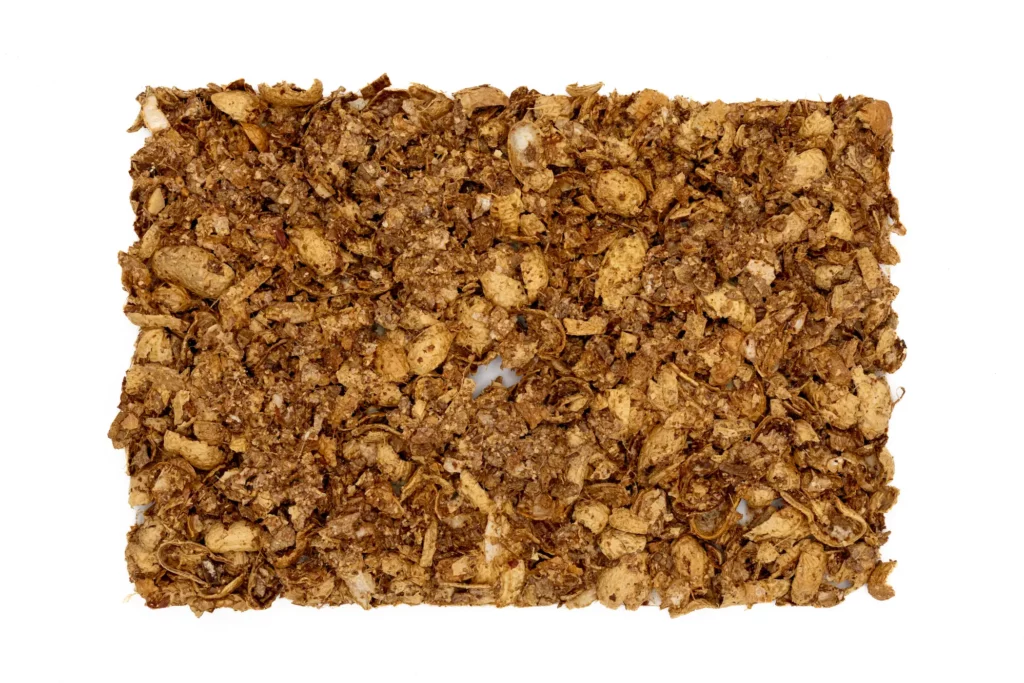
A polymer matrix combined with a naturally sourced reinforcement. It allows thick, rigid boards suitable for three-dimensional applications.
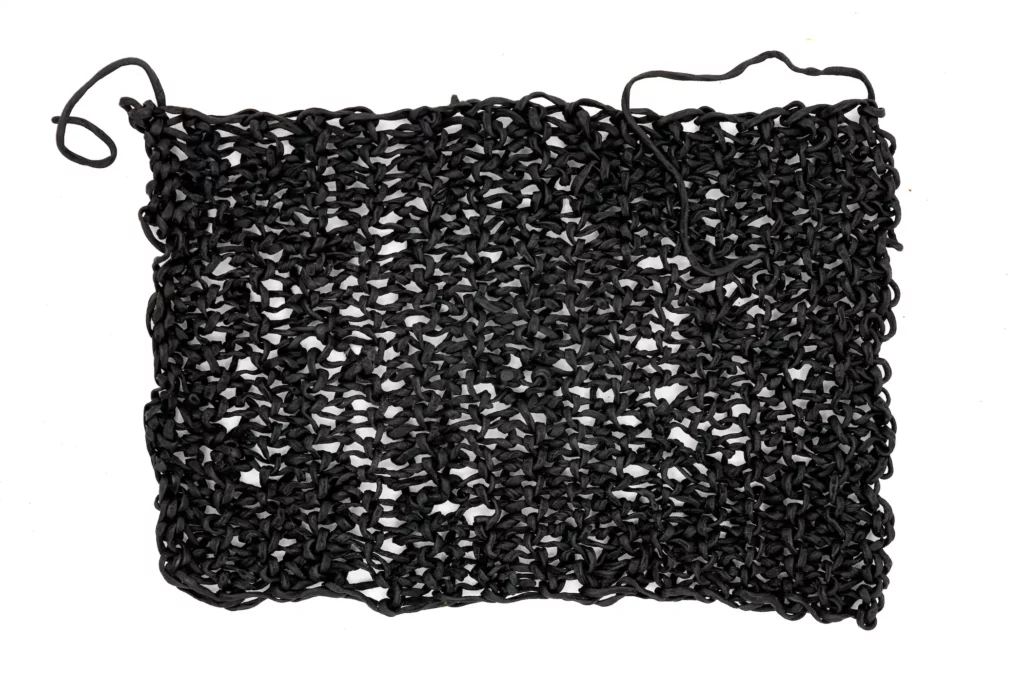
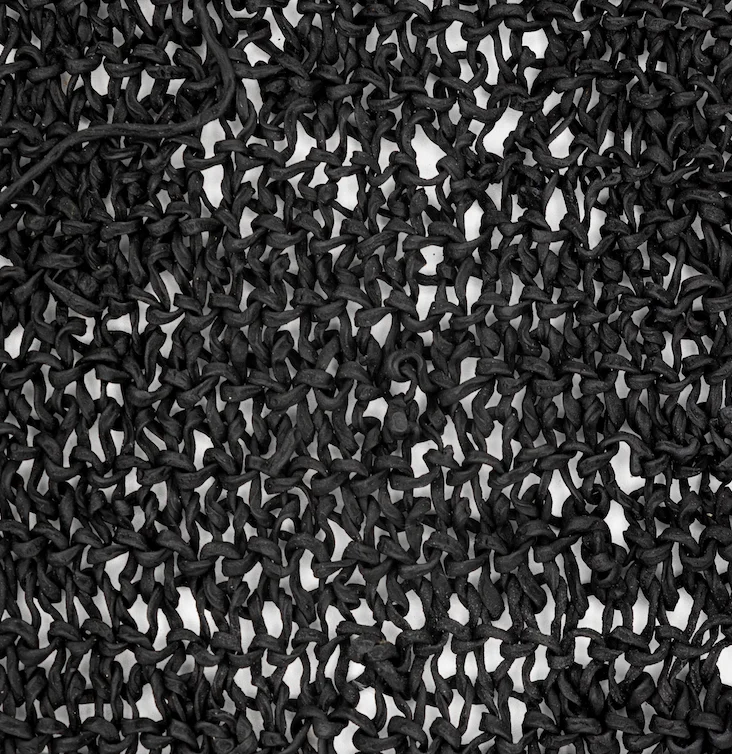
Yarns produced from biological materials, suitable for conventional textile techniques such as weaving, crochet, knitting or embroidery.
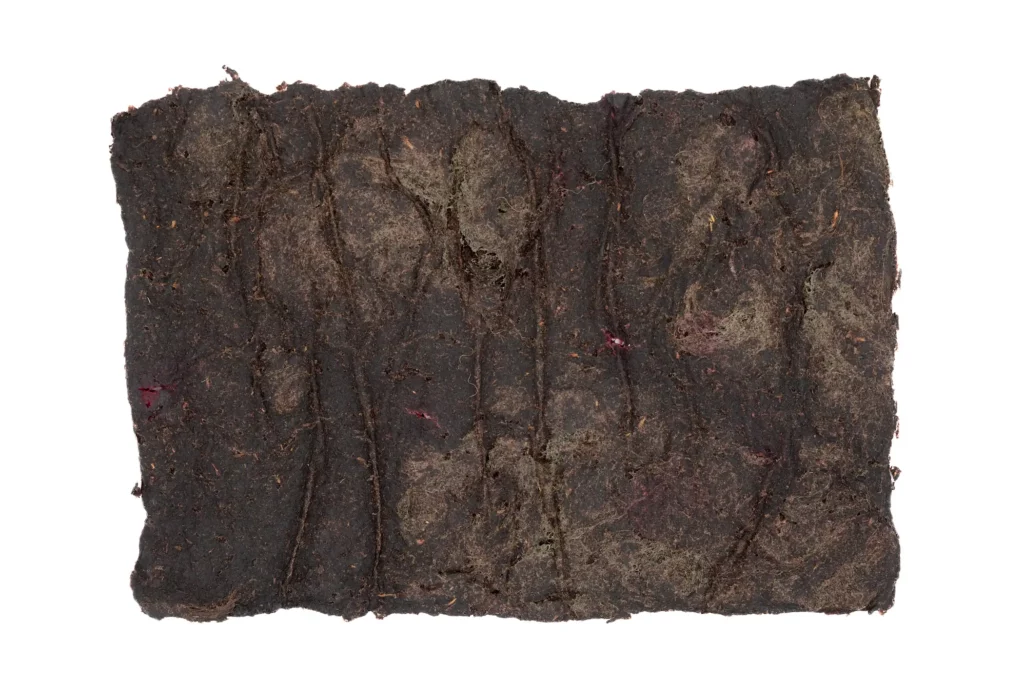
A material produced from plant waste without gelling agents. A sustainable alternative to animal leather: flexible and hard-wearing.
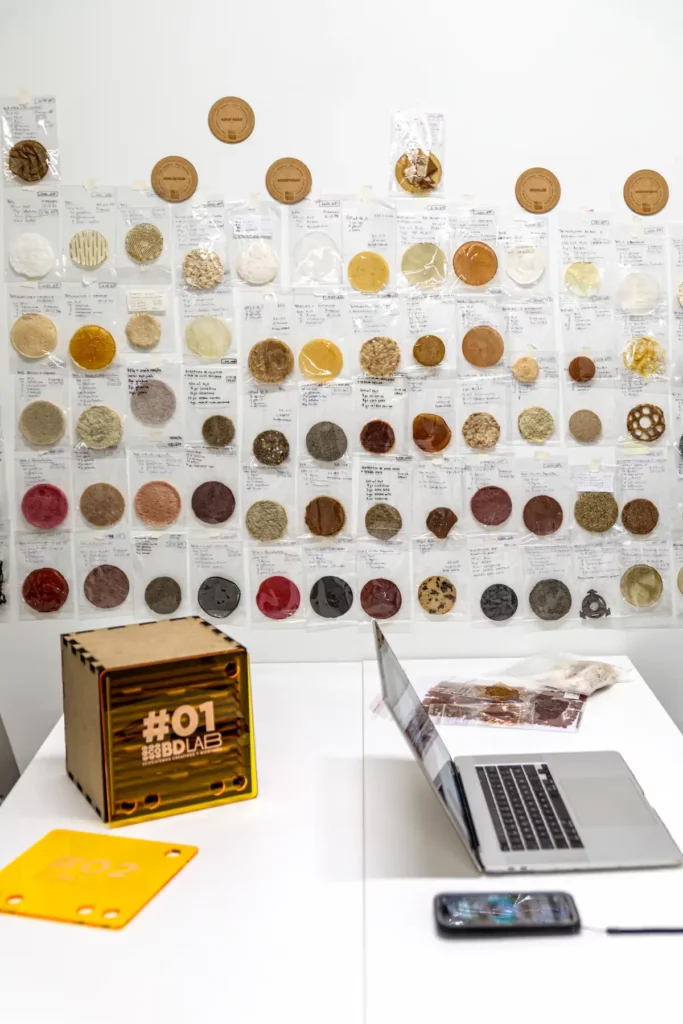
At the heart of the project is a physical and digital materials library: an archive bringing together more than a hundred carefully formulated, documented and classified samples. Each material comes with a bilingual data sheet covering its formulation, optical and sensory characteristics, processing techniques and visual record.
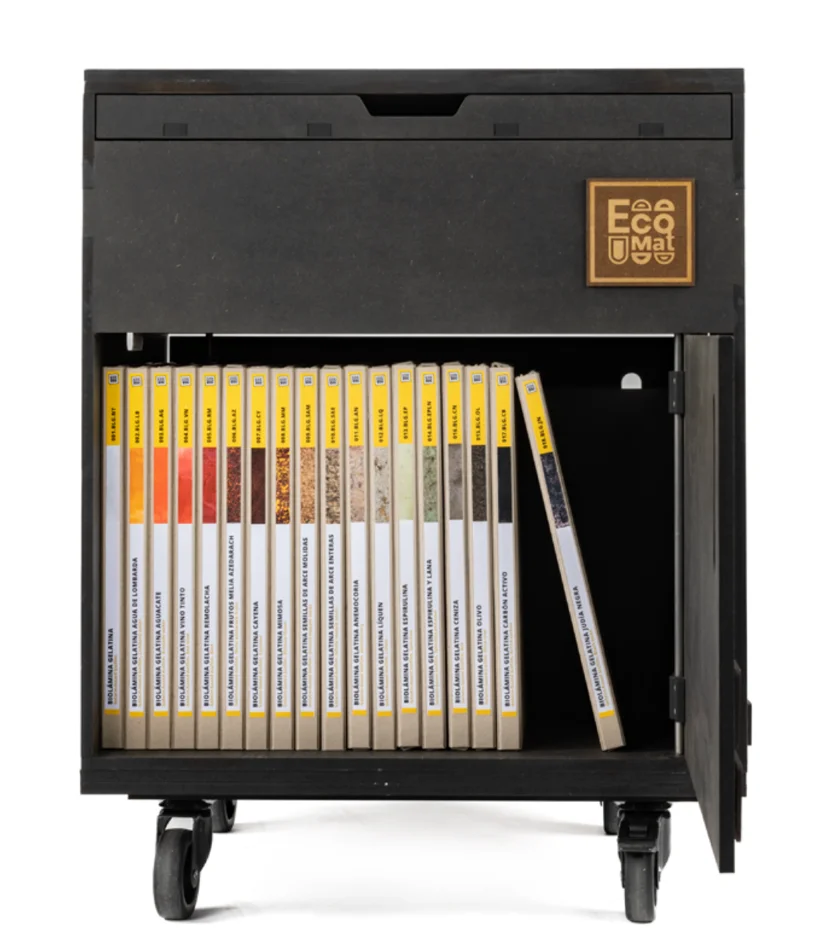
The library is housed in a modular display unit designed for storing, consulting and exhibiting the samples. Alongside the physical archive, EcoMat offers an open-access digital catalogue with formulations, production methods and resources for making biomaterials.
One tangible outcome of the EcoMat project is the design and construction of a modular display unit for storing, consulting and exhibiting the archive of samples and data sheets.
The unit organises the materials by type, adapts to different settings and can travel to conferences, educational institutions and cultural venues.
EcoBD Lab Research Group, Esther Pizarro, Isabel Marcos, Miguel Trigo · Creative Campus, Universidad Europea de Madrid
Editorial Ecohabitar. Biocultura Fair · IFEMA. Madrid, Spain.
Fundación para el Conocimiento madri+d · Universidad Europea de Madrid/Creative Campus
Vice-Rectorate for Faculty and Research. Universidad Europea · Universidad Europea. Madrid, Spain
Universidad de Nebrija · Universidad de Nebrija
Vice-Rectorate for Faculty and Research. Universidad Europea. · Universidad Europea, Madrid, Spain
Pizarro, E.; Trigo, M.; Marcos, I.
Pizarro, E.; Trigo, M.; Marcos, I.
Pizarro, E.; Rego Robles, M. A.
Pizarro, E.; Gómez, K.
Pizarro, E.; Trigo, M.
Pizarro, E.; Trigo, M.
Pizarro, E.; Rego Robles, M. A.
Pizarro, E.; Rodera, P.
Pizarro, E.; Trigo, M.; Gómez, K.
Pizarro, E.; Trigo, M.
Pizarro, E.; Marcos, I.; Trigo, M.